
IBD and Me: Stories from people living with Crohn’s disease and ulcerative colitis
You’re not alone
Why me? Whether you're the first person in your family to be diagnosed with IBD, or the twenty first, you may feel like you’ve drawn the short straw. And no one would blame you!
If it’s any comfort, you’re not alone; IBD affects people young and old, from all walks of life. Now you can meet some of them and read their stories.
These are the personal opinions and experiences of the individual(s) shown and may not represent the views or recommendations of AbbVie Pty Ltd. Please contact your healthcare professional should you have any questions or concerns.
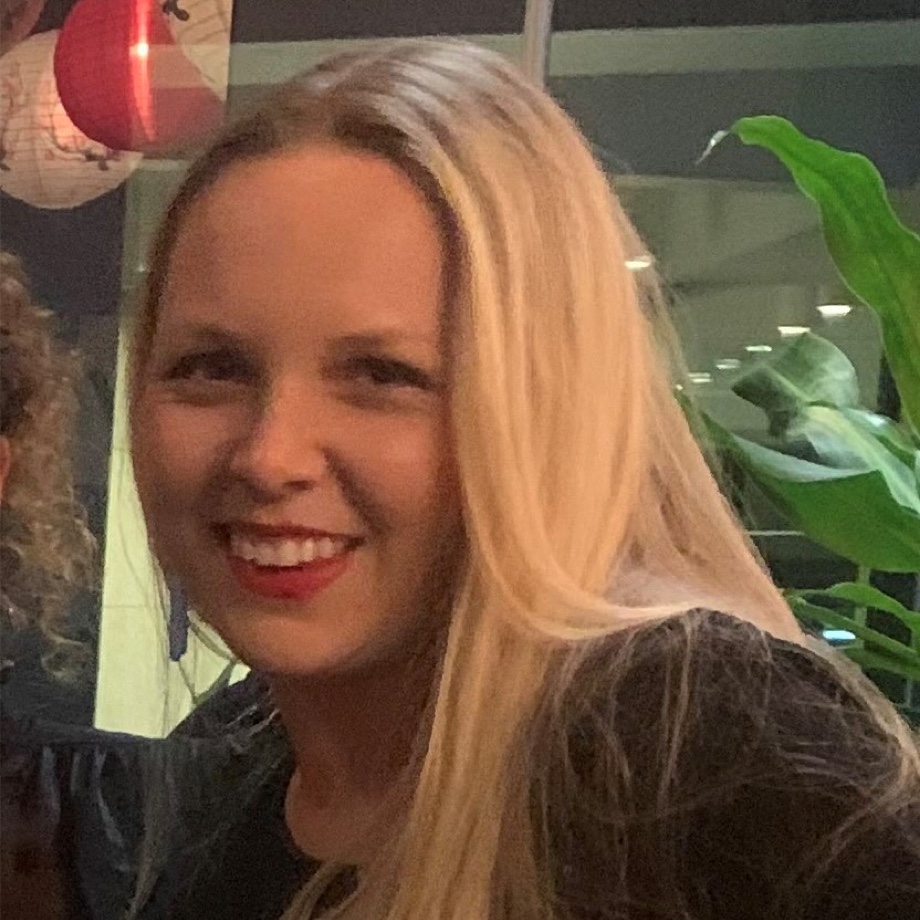
Kiriana's story
I am currently in my 30s and was diagnosed with UC about 15 years ago, while travelling around the world. Towards the end of the trip, I became very unwell with a combination of infections, and my digestive system just never recovered. I’m not sure if this was the trigger, but I believe it was the catalyst that kick started my immune system to attack itself. A lot of things bother me about UC, but ultimately it is the fact that it’s not curable, and I rely on some powerful medication to keep my condition in relative control. Prior to the medication, my condition was debilitating, and I am still in a flare which started 3 years ago. I am not yet in remission, though I am so much better. I was close to being clinically depressed; I didn't experience much joy, and everything seemed to be a huge effort. I also had a ‘FOMO’ but no energy to change things. I lost friends along the way because of it, as I only really had the energy and focus on keeping my family unit together and not much left to give to others. My advice to those diagnosed with UC is – don’t give up. Hold on to hope and know that the disease doesn't have to define you. Make sure that you appreciate the importance of having a specialist you trust. Lastly, it’s important to not try and be everything to everyone and at times to just take each day, or even hour, at a time. This is a sign of strength not weakness.
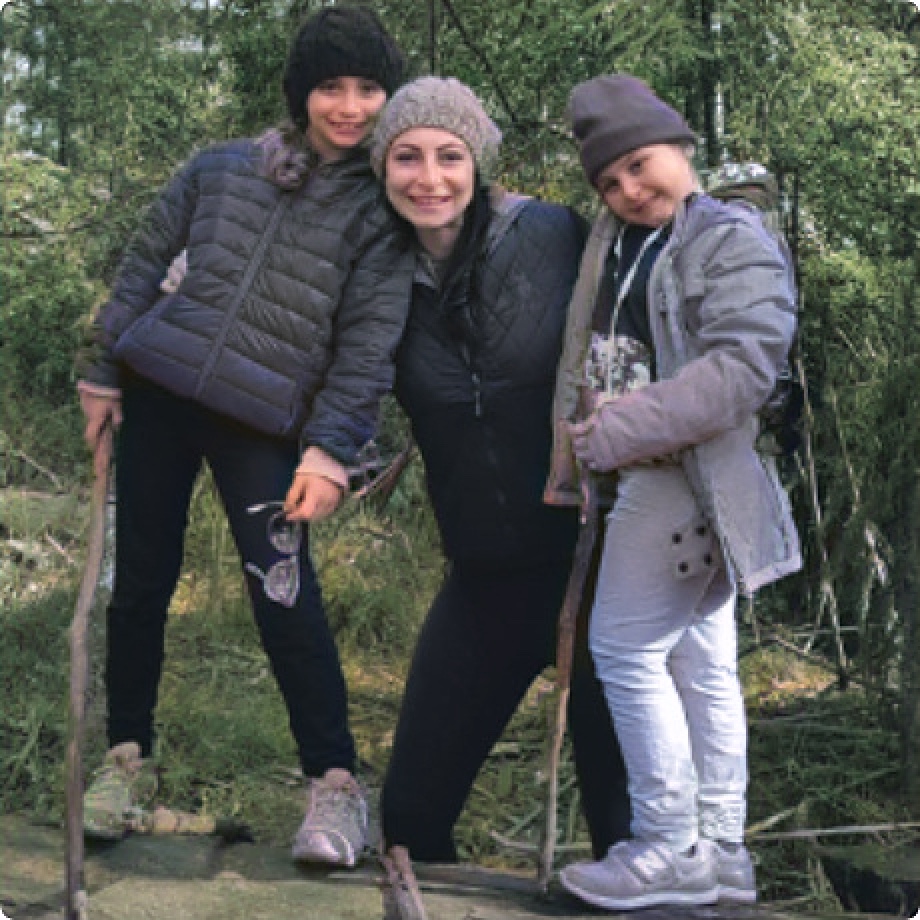
Nidal’s story
I am in my 40s and have been living with UC for about 10 years. I am currently not working and have been unable to return to work due to the severity of my UC symptoms. The thing that bothers me the most about UC is always feeling unwell and having to spend time away from my children due to frequent hospital visits. UC has limited my ability to enjoy simple things in life, like go for a bike ride or walk with my kids, catch up with my best friend for a coffee or walk, or merely a date night with my husband. I struggle to get through my daily routine because I'm always hungry and exhausted! The biggest limitation is that I just don’t have the energy and always feel very tired. Unfortunately, not all my family members understand my condition and the fact that a simple cold or flu could cause a UC flare-up. For me, I think stress, lack of sleep and infections are the biggest triggers. I have tried to be open and transparent about my condition, but most people don’t understand the severity of it. Despite the difficulty, UC has made me stronger over time in saying ‘no’ and trying to limit the time I spend with people who don't have my best interests at heart.
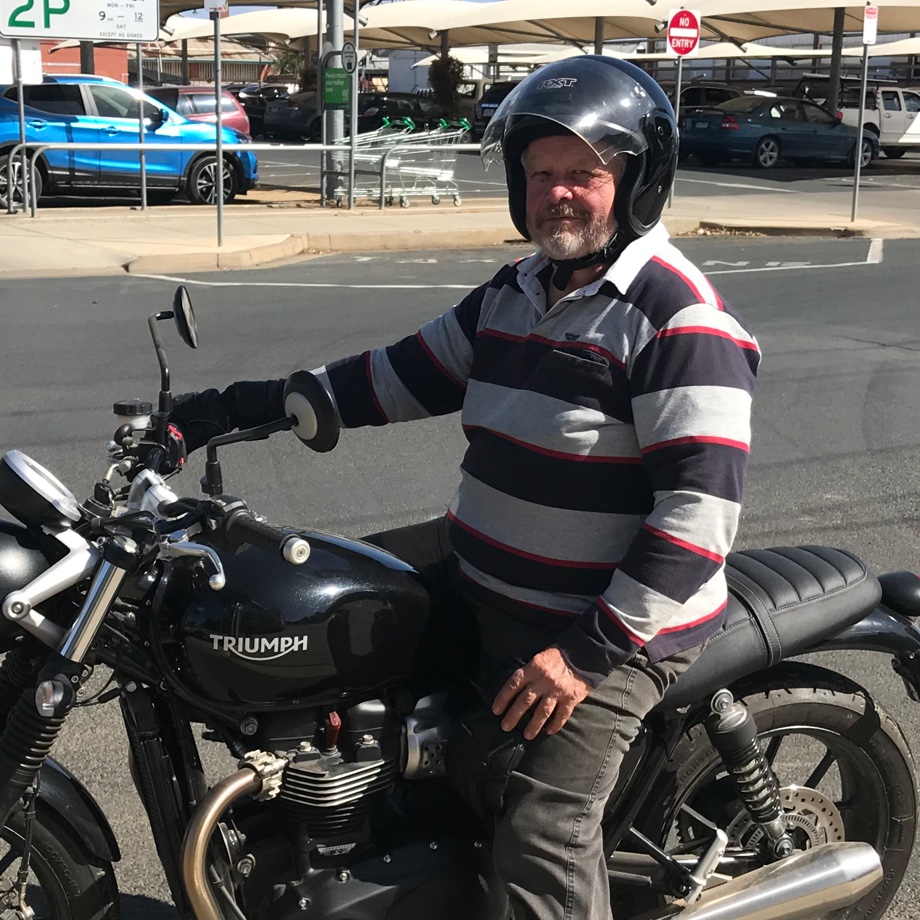
Graham’s story
I’m in my 70s and have been diagnosed with UC for 2 years. Living with UC has a massive impact on my life. I understand that IBD is not curable, and that it could flare up from time to time, which makes it difficult to plan for retirement. Having worked and saved hard for 40 years, I feel like my future plans are ruined, both in terms of sustaining a farming business and travelling. It feels like these activities would be either unachievable or limited with UC. Apart from flare-ups, I also suffer from diarrhoea and need to go or be close to a toilet 24/7. As my health needs are unpredictable, I become cautious and careful when planning activities. When visiting friends, the first thing I do is explain my need to go to the toilet frequently. When going out to a restaurant, the first thing I do is locate the toilet and check it out. Having suffered from accidents when socialising, I now carry a bag of spare clothes and toiletries. In saying that, I’m blessed with family and friends who are very supportive. My wife attends all my doctor’s appointments, and my kids and many of my friends research the topic and are invested in my progress. My advice to those living with UC is – there’s so much to be grateful for. You are going through this journey with thousands of other people in Australia. It is hard, and it hurts, but we need to learn to live with it, make necessary changes in our lives, and make the best of it.
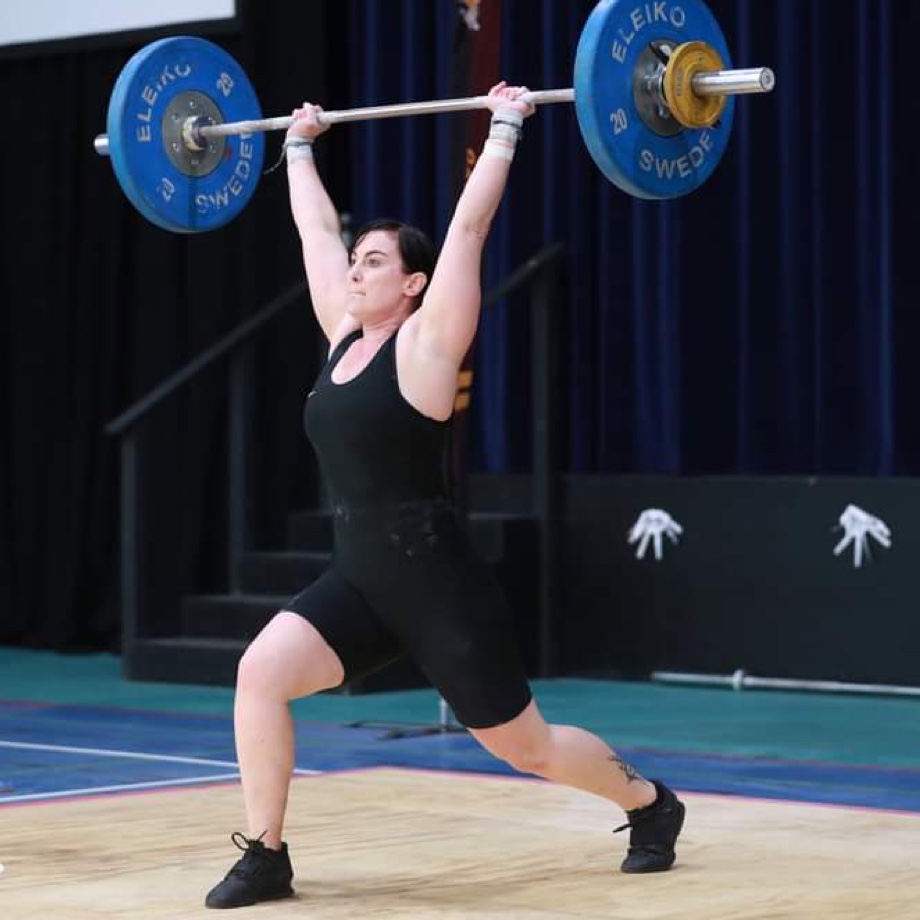
Emma’s story
I am currently in my 30s and working full-time. I was first diagnosed with UC in 2020 but had noticed symptoms since 2018/2019. It took almost a year to get the necessary appointments and tests to be diagnosed. I have a mild disease so feel lucky to not have debilitating symptoms; however, the unpredictable nature of UC can be frustrating. The random bloating, cramps, and other symptoms can disrupt my morning routine and work. Given that my condition is mild, it doesn’t affect my social life much. Though, the bloating can have an impact on my body image and self-esteem when trying to go out and meet friends or go to the gym. As a result, I sometimes feel down and isolated. I’m not entirely sure what triggers my UC, but I notice that eating bread can make me unwell. During a flare, I usually get in touch with the clinic nurse and see if I need extra tests or an appointment with the specialist. My advice to those diagnosed with UC is – have patience with the medications as it takes time to find ones that work for you. Get used to communicating and being open about your condition. Additionally, UC may affect how your body absorbs nutrients, so it’s worthwhile getting a referral to a nutritionist or dietitian who understands the disease and possible foods to avoid, while helping you to maintain a healthy and varied diet.

Sarah's story
I’m 25 years old and was diagnosed with UC in 2021. When UC is at its worst for me, I experience a lot of pain. I feel uncomfortable sitting, sleeping, and lying down, accompanied by a complete loss of bowel control. This is extremely embarrassing and frustrating for me to deal with. Often, I just wish for a 5-minute break where I could jump out of my body and then jump back in. However, when UC is at its worst, I never get those 5 minutes. Living with UC varies day-to-day; one day I might be feeling great, and the next I might be in severe pain. Through this process, I've learned to listen to my body, protect my energy and prioritise rest when needed. I wish people understood that me cancelling events isn't because I don't want to attend or that I’ve changed my mind but because it's hard to be present. Living with UC has definitely affected my mental health, but I've learned to cope with it. After receiving treatment, I started to feel much better. It has made a massive difference in my life. My advice to those living with UC is – you may feel like you’re alone in this, but you’re not. The journey is different for everyone, so take the time to find what works for you. It’s a bit of a trial and error, but it’s worth it.
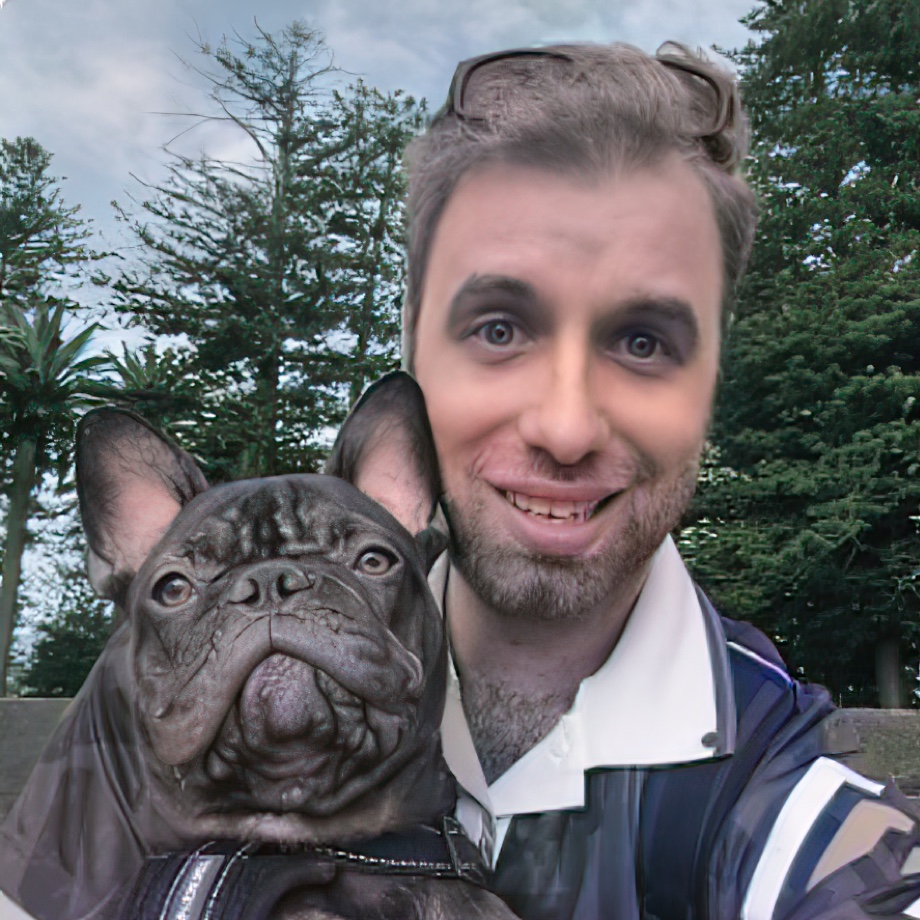
Luke's story
I have been living with ulcerative colitis (UC) for about 10 years. The symptoms began to appear in my early 20s; however, I was only diagnosed about 4 years ago. Apart from the obvious symptoms, the uncertainty that comes with UC bothers me. You can be healthy and feeling great one day, and shortly after you can be feeling sick and lifeless. As a project manager, the condition can seriously affect my work and social life. During a flare-up, I often suffer through work, and the rest of the day is spent resting and sleeping. Weekends are much the same. Prior to life with UC, I enjoyed playing soccer competitively, but the condition has limited my ability to enjoy it. Over time, I have noticed that alcohol and constipation can trigger my UC, but there could be other factors too. When I have a flare, I manage by adopting a low FODMAP* diet, taking medications, contacting my specialist, and basically just rest. My advice to those newly diagnosed with UC is – you are your biggest advocate. Actively seek out advice, be open to making lifestyle changes, and connect with other IBD advocates. Reddit has been a great resource for me, with so many relevant questions and answers. As difficult as it is, living with UC has given me a different perspective. It has made me a lot more empathic and understanding towards others.
*FODMAP stands for fermentable oligosaccharides, disaccharides, monosaccharides and polyols, which are a group of short-chain carbohydrates (sugars).

Bernard's story
I am 70 years old and retired. About 8 years ago, I was diagnosed with UC. The condition has rendered me essentially housebound and unable to socialise, play sport, and ultimately feeling insecure. I cannot play golf or live a normal life until an existing flare is in remission, and fatigue is a common complaint. With UC, I cannot be far from a loo, which affects my ability to enjoy any sport or social activities. I don’t know what triggers the flares, but I have one every 2 years and they last for a week on average. The latest flare has lasted close to 4 months and has been the worst ever. Being retired helps as I would not be able to go to work or to school if I had a flare. I’ve had some tough times living with UC, and I have advice for you - get professional advice from a Gastroenterologist immediately. Join a forum, such as the UC and Crohn’s on Facebook, where like-minded people are going through a similar journey and can offer both advice and support.
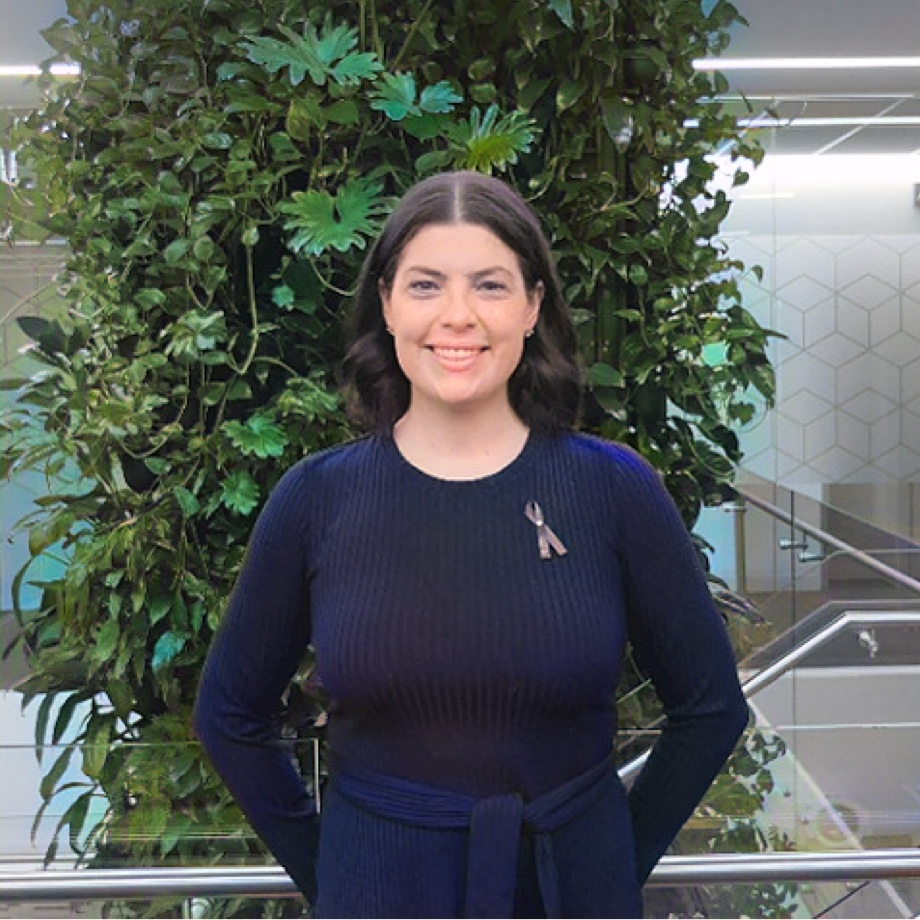
Rose’s story
I started experiencing symptoms of Crohn’s disease (CD) from the age of 6 but hadn’t received my diagnosis until I was in my late 20s. I’m in my 40s now. My journey to diagnosis was long; I saw several doctors before I was diagnosed with CD. Living with this condition can be difficult, especially in the earlier years. As a young adult, I had to cancel social events with family and friends because I was unwell. Unfortunately, many people just didn’t understand the chronic nature of CD and thought I was unreliable or ‘flakey’, and I lost a lot of friends along the way as a result. From a workplace perspective, there have been tough moments. As a high school teacher, I couldn’t leave my classroom if I needed to relieve myself, and some employers would mistake my condition for me ‘slacking off’. I’ve spent a lot of my life living in fear of accidents and being in pain. I’m still not sure what triggers my CD – it could be stress or certain foods. When I have a flare, I try to rest as much as possible and stay hydrated. In the past, I struggled a lot with depression and anxiety, but that has improved over time. It helps that I have a great relationship with my gastroenterologist and the nurses, especially during flares. My advice is – trust your instinct, advocate for yourself, and have open and honest conversations about your condition. Sometimes it may feel as though no matter what we do, or how hard we try, things won’t get better. It will, I can vouch for that.
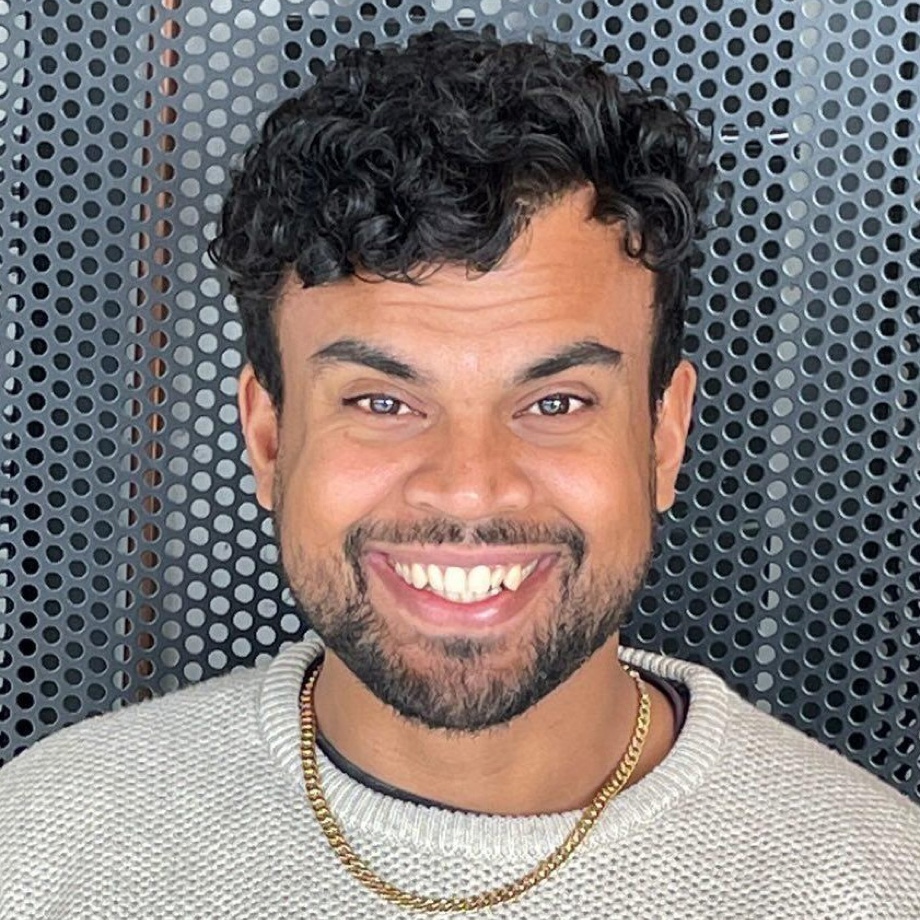
Justan’s story
I’m in my 30s and have had CD since I was 2 years old. The condition doesn’t really bother me; I love how my life has adapted and flowed into a new direction. Though, living with CD means I can’t work the traditional nine-to-five job. I may need to abruptly leave a meeting to relieve myself, and not everybody in the workplace understands or supports this. In terms of activities, I can still enjoy them, but it just means I need more naps to recharge. When I have a flare, I manage by watching lots of Sponge Bob Square Pants and turn off all my notifications, responsibilities, and meetings, to cuddle up and get well. My advice to someone who is newly diagnosed with CD is - talk about it. It is so important to talk about how IBD is affecting your relationship with your family, friends, and workplace. Opening up also helps you build confidence in having these types of discussions. CD has helped me put into perspective the real meaning of urgency and allowed me to be more relaxed and light-hearted about life.
Sandeep's story
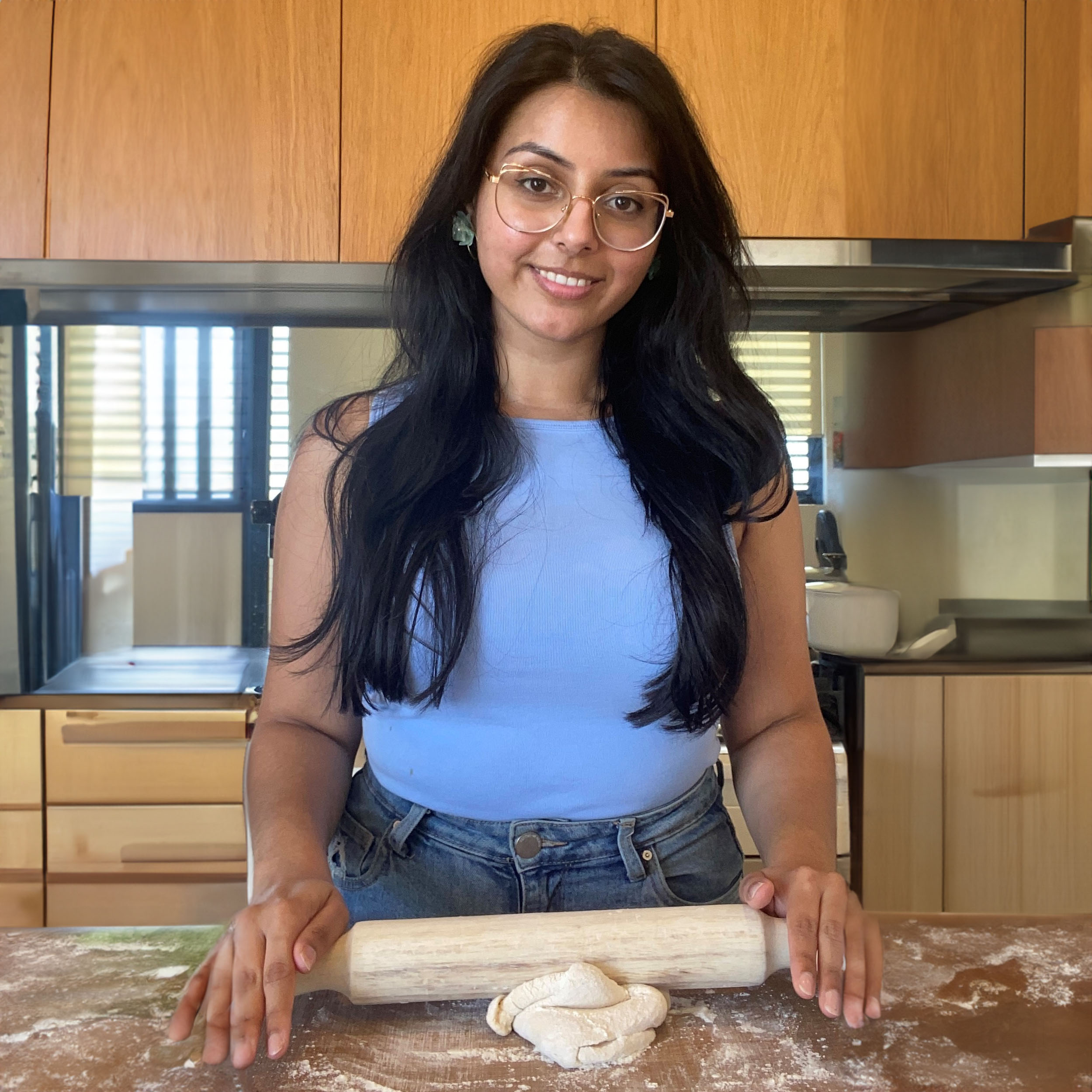
I’m 28 years old and have been living with UC for 18 years. For many healthy people, their bodies are vehicles for interacting with the world. However, for those with an illness like UC, the body feels more like a barrier. UC has significantly changed my identity. I’m no longer as adaptable and adventurous as I used to be and every day is marked by unpredictability. My diagnosis wasn’t just a label for my symptoms; it was a limit on my life. Being mindful is challenging because I always have to plan ahead. I might log on to do some work and then suddenly need to lie down on the couch, not knowing if I'll be in that extreme pain state for hours, weeks or months. UC has impacted my relationships, leaving me isolated. There are moments when I feel unworthy and ugly, like there’s nothing I can offer to compensate for having a chronic illness. I try to be candid as possible because if I don't own the UC, it owns me. My advice is to exercise self-love and light-heartedness when coping with such a confronting and painful illness. Guilt and insecurity can take a toll, so I try to maintain a good sense of humour. Whilst UC reminds me of my limitations, it also reminds me of the love and generosity of others. UC might be big, but human compassion is bigger. Sometimes, I momentarily forget that I am ill and feel nothing but gratitude for the support I have.
Tim's story
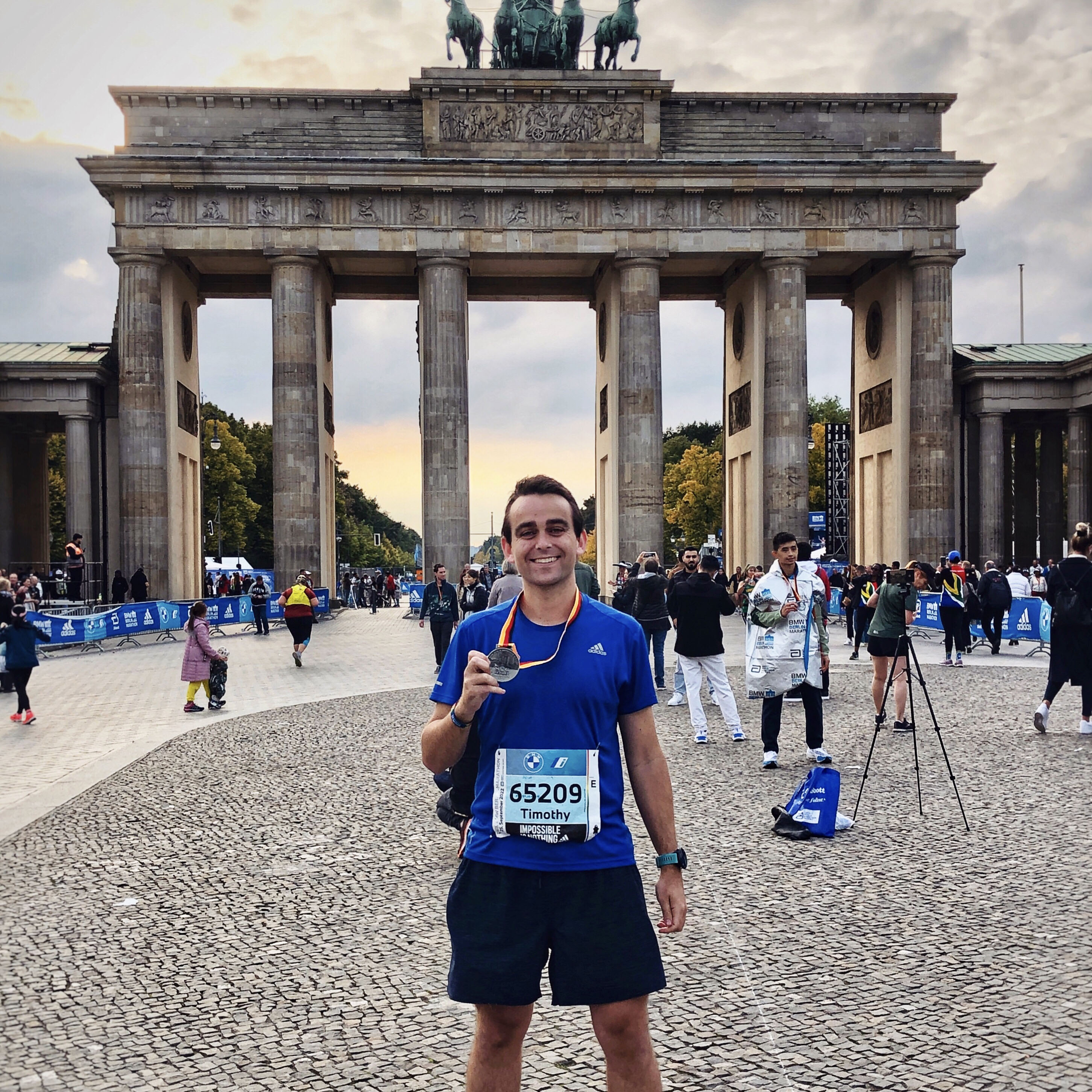
I’m a 32-year-old teacher living with CD. When I was first diagnosed at 13 years of age, I remember feeling different from others. The medication I was on had some side effects that affected my appearance and how I felt about myself. It was a difficult experience for me. I thought that there would be a simple solution – I’d go to the doctor, I’d get better, and everything would be fine. However, it’s now 20 years later, and I’m still managing it and will have to do so for the rest of my life. That being said, living with CD has also given me some positives. It has taught me to listen to my body and helped me foster meaningful relationships through vulnerability. As a teacher, I believe that it’s important to normalise differences in our bodies and health struggles among my students. I’ve always shared with my students that I have a chronic illness in the hope that it will inspire them to be more aware and accepting of these differences. My advice to someone who has just been diagnosed or has a flare is that this condition may require an extra level of planning, but it’s always a better option compared to giving up. I was in my worst state in 2015 but ran my first marathon in 2018. Despite having a chronic illness, I showed myself that I can still do hard things. You can too if you don’t give up.
You can access a copy of the RINVOQ Consumer Medicine Information (CMI) from your pharmacist, from abbv.ie/au-rin-cmi or by calling AbbVie on 1800 252 224.
AC-005092-00. AU-RNQ-250041. August 2025.